



The colour of a poker chip: what does it mean?
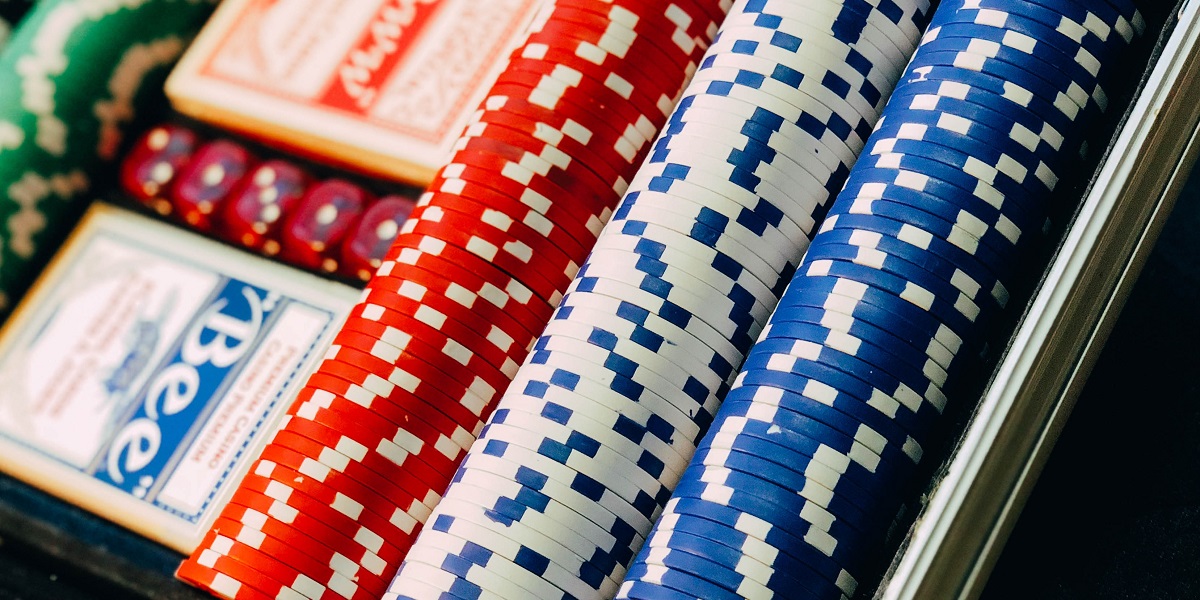
Poker chips are a crucial element of the game,
as I'm sure we've discussed on other occasions. We always focus on the cards,
on the decks, but the chips are unfairly relegated to second place, and
without them a poker game could not even be completed.
In poker, and not only in cards, colour plays a
fundamental role. At both cash tables and tournaments, where chips have
the value of real money and points respectively, chips come in various formats
and colour.
As is often the case with many of the features of poker games, the issue of chips has a lot to do with the type of table and game. For example, in high-stakes tournaments, where each player can have hundreds of thousands of points, rectangular chips similar in size to playing cards can be used. Also in some Cash games particularly large, although it is normal in high-stakes games to play with round chips.
The value of poker chips
and their colour: are they related?
Normally, the aim is for the chip to be recognizable. To help players distinguish them, several resources are used: the shape (square or round) and the colour are usually different. Therefore, each poker chip has unique characteristics that help to identify it quickly, without having to look one by one to see what value it represents.
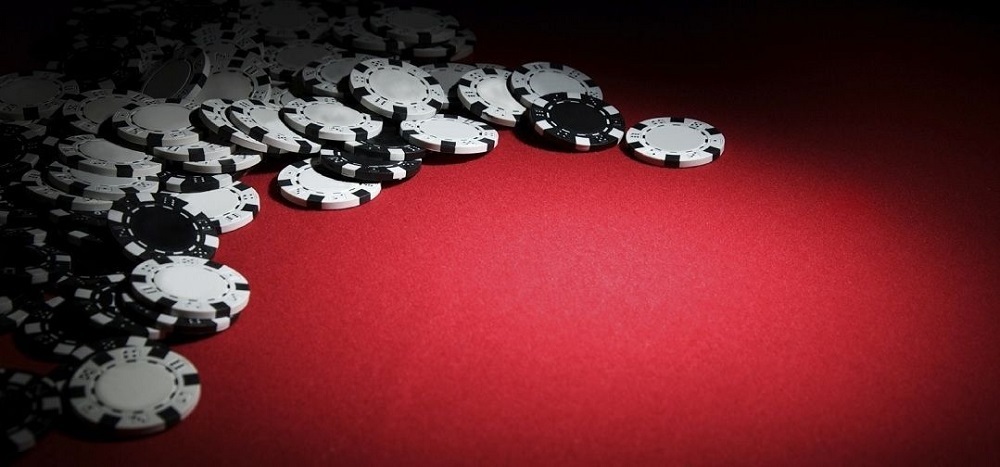
What defines the colour of a chip in poker is
usually the value it has. And we're talking mostly about cash tables,
where the chips represent real money.
A distinct colour code is followed, as
we discussed earlier in this article on the value of chips in poker: white,
yellow, red, blue, blue, grey, green, orange, black, pink, purple, maroon,
light blue and brown are used to represent values of 1, 2, 5, 10, 20, 25, 50,
50, 100, 250, 500, 1,000, 2,000 and 5,000 euros respectively.
So, yes: the colour of poker chips has a lot to do with the value they represent, which makes it easier for players to visually identify them during the game.
Do professional poker chips have different colors?
This use of colour is not only applicable to
poker chips in amateur games: professional poker chips also have a
unique colour code that serves the same purpose: to simplify the visual
identification of the chips to help players in the game.
However, it should be noted that, although these are the standard colour and values, there is in fact no EU-wide standard that designates how the colors should be used on the chips.
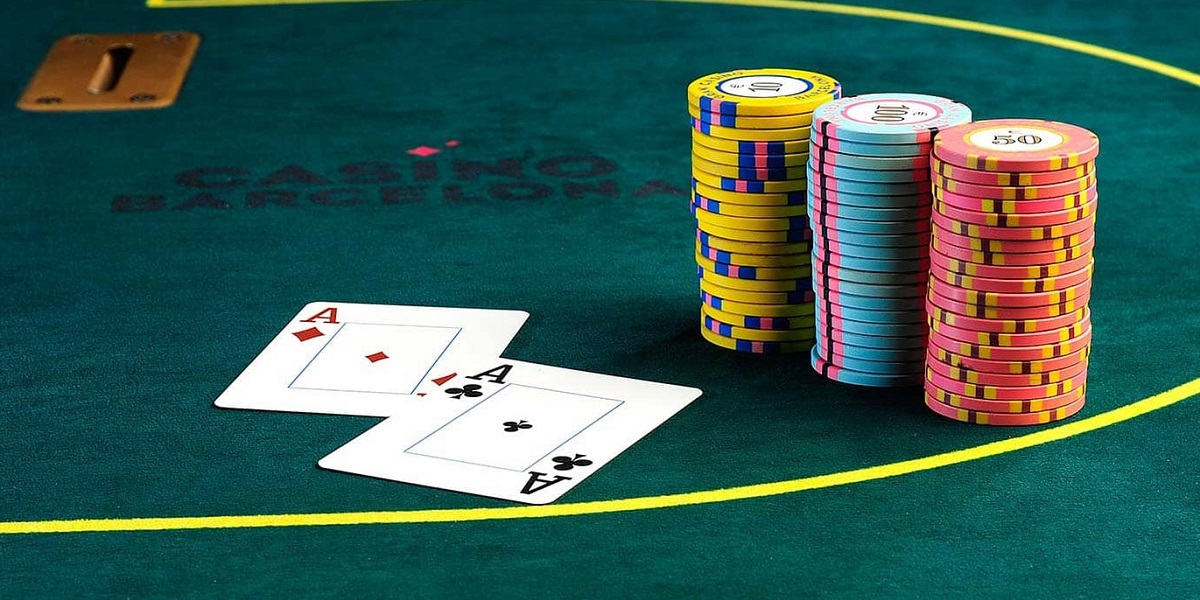
Therefore, variations can be found in amateur
games as well as in professional competitions, so it is really the player's
responsibility to be aware of the dynamics of each platform or gaming
table.
The fact that must be assimilated is that professional poker chips do not have different colors just because they belong to a different category of game. Since there is no obligation to apply chip colors across all poker tables and platforms, players should be aware that there may be variations in the colors of the chips they handle during games, if they play on different platforms or tables.
How do you choose the colour of a poker chip?
In reality, the colour of a poker chip is
chosen by the casino or online platform itself, as they control all
aspects of the games, including the design of the elements that allow for
variations or licensing.
For example, there is not usually much controversy over the cards because they have a virtually identical representation, but the chips do have elements that differentiate them from others: they include the name of the platform and may have other variations, including colour.

An increasing number of platforms are opting
for unification. In fact, in an effort to standardize certain aspects, poker
platforms are increasingly opting to stick to the standard colour
designation, with no variations or complexities.
While it is to be expected that the standardized
colour codes will be more or less respected, in reality there can be changes
that, by inertia, can be detrimental to the player. To avoid problems, it is
best to try to get to know all aspects of the platform beforehand, or
try to spend the first few games getting used to getting to know the
peculiarities of each table.
You may also like
The hand of the dead man
The hand of the dead man If you understand about poker, you may already know that when we speak of "the hand of the dead man" we do not refer to the continuation of the Count of Monte Cristo writte...

Poker Variance Part 2: its influence on cash games
After the introduction to variance in poker in the first part dedicated to this curious and -for many- mysterious factor, we are going to continue talking about variance, this time focusing on the...
How to be a poker grinder: key tips
We can't deny it. Poker is one of those games that generate a feeling of adrenaline that makes you not want to leave the green carpet. Risk is inherent in poker and, if you manage to enjoy it, poke...
Promotions