

Poker basic rules
Updated October 2026.
The rules of poker can be learned in ten minutes: each player receives cards, there are several betting rounds and, at the end, the pot goes to whoever has the best hand or whoever gets everyone else to fold. What takes years is playing well. This guide explains the rules step by step using the variant played all over the world, Texas Hold'em, and then summarises what changes in the other formats.
What you need to know before the first hand
- The deck: 52 cards, four suits, no jokers. No suit outranks another.
- The goal: win the pot. There are two ways: having the best five-card combination at the end, or betting so that every opponent folds first.
- The hands: from highest to lowest, royal flush, straight flush, four of a kind, full house, flush, straight, three of a kind, two pair, one pair and high card. They are explained with examples and tie-breakers in our poker hand rankings.
- The players: 2 to 10 per table. Two is called heads-up; up to six, short-handed or 6-max; seven to ten, full ring.
- The chips: in a cash game they are worth money and you can leave whenever you want; in a tournament they are points and you play until you lose them all or win.
How a hand of Texas Hold'em is played, step by step
1. The button and the blinds
A disc called the button marks the nominal dealer and moves one seat to the left every hand. The player to the left of the button posts the small blind and the next one the big blind, usually twice as much, which sets the minimum bet. These are forced bets made before seeing any cards; without them nobody would have a reason to play a hand. In tournaments the blinds rise at set intervals.
2. The deal
Each player receives two private cards face down, starting with the small blind. Only you see your cards.
3. First betting round (preflop)
The player to the left of the big blind acts first and play continues clockwise. Each player may:
- Fold: throw the cards away and give up any claim to the pot.
- Call: put in the same amount as the current bet (initially, the big blind).
- Raise: increase the bet. The minimum raise equals the last bet or raise. In No Limit, the maximum is everything in front of you (all-in).
The round ends when every player still in the hand has put in the same amount. The big blind acts last in this round and may raise even if nobody else has.
4. The flop and the second round
Three community cards are turned face up in the middle of the table. Any player can use them. The first active player to the left of the button acts first; now, if nobody has bet, in addition to folding, calling or raising you may check: you bet nothing and pass the action along without leaving the hand.
5. The turn and the third round
The fourth community card is dealt and the betting round repeats with the same options.
6. The river, the last round and the showdown
The fifth card is dealt and there is a final betting round. If two or more players remain, cards are shown (showdown) and the best five-card combination made from any mix of your two cards and the five on the board wins: you may use both, one or neither of your cards. If two hands are identical, the pot is split. If at any point everyone but one player folds, that player wins without showing.
The possible actions, summarised
| Action | What you do | When it is allowed |
|---|---|---|
| Fold | Give up the hand and whatever you have already put in | Whenever it is your turn |
| Check | Bet nothing and stay in the hand | Only if nobody has bet in that round |
| Bet | Make the first wager of the round | If nobody has bet yet |
| Call | Match the current bet | If someone has bet |
| Raise | Increase the current bet | If someone has bet; minimum is the size of the last raise |
| All-in | Bet all your chips | At any time in No Limit |
If a player goes all-in with fewer chips than another player's bet, a side pot is created: they can only win the part of the pot they were able to match.
Table rules every beginner should know
- Act only when it is your turn. Acting out of turn gives information to others and is penalised in casinos.
- Announce your action before moving chips. Saying "raise" is binding; putting out a single large chip without a word counts as a call.
- Cards speak. At showdown, if you misdeclare your hand, what the cards show is what counts.
- Do not show your cards to other players during the hand, even after folding.
- In tournaments, do not discuss the live hand with anyone no longer in it.
- The rake: in rooms and casinos, the house takes a small commission from every pot. Online, part of that commission can be recovered as rakeback; that is what we compare in our online poker rooms.
What changes in other variants
- Omaha: four hole cards instead of two, and you must use exactly two of them with three from the board. Usually played pot limit (the maximum raise is the size of the pot).
- Five Card Draw: five private cards, no community cards; one betting round, an exchange of up to five cards and another round. Full rules in draw poker: rules and how it is played.
- Seven Card Stud: seven cards per player, some exposed, five betting rounds and no blinds (played with an ante).
- "Low" variants (Razz, 2-7): the lowest hand wins.
Every format, with its differences, in types of poker and their rules.
The most common beginner mistakes
- Playing too many hands. Most of the 169 starting hands in Hold'em should be folded. With just a few hours of play, sticking to pairs, aces and kings with a good kicker, and high suited cards already puts you ahead of the table.
- Calling for no reason. Every chip you put in to "see what happens" is a chip you do not get back. If you have no reason to call or raise, fold.
- Ignoring position. Acting last (close to the button) is a huge advantage: you see what everyone does before deciding. Play more hands from the button and fewer from the blinds.
- Falling in love with a hand. Pocket aces are the best hand before the flop and lose often after it. What counts is the hand at the end.
- Bluffing for the sake of it. Bluffs work in specific situations against specific opponents. We explain it in what a bluff is and when to do it.
- Playing without a budget. Decide how much you can lose before you sit down and do not exceed it.
Minimal glossary
- Pot: all the chips wagered in the hand.
- Position: your seat relative to the button; the later you act, the better.
- Kicker: the card that breaks a tie when two players hold the same hand.
- Nuts: the best possible hand given the board.
- Outs: the cards still to come that improve your hand.
- Draw: an incomplete hand that needs one or two more cards to become a made hand.
- Rake: the house commission; rakeback is the part you get back.
Frequently asked questions about the rules of poker
How many cards are dealt in poker?
Two per player in Texas Hold'em, four in Omaha, five in Five Card Draw and seven in Seven Card Stud. In Hold'em and Omaha, five community cards are added.
Who bets first?
Before the flop, the player to the left of the big blind. In the following rounds, the first active player to the left of the button.
What happens if two players have the same hand?
The highest unpaired card (the kicker) is compared. If all five cards of the hand are equal, the pot is split. Suits never break ties.
Can you win without showing your cards?
Yes. If every opponent folds, the pot is yours and you do not have to show anything.
What is the best starting hand?
Pocket aces, followed by pocket kings, pocket queens and ace-king suited. They are listed in the hand rankings.
Where can I practise?
In the play-money modes of the rooms or in free apps; see playing poker online for free without registering. Once you master the rules, micro-stakes tables with rakeback are the next step.
Responsible gambling. Poker is a game of skill with plenty of short-term luck. Play with a bankroll separate from your everyday money, and only if you are 18 or over.
You may also like

Poker odds part III: Reverse implied odds, how to calculate them and more
Within what we know as implied odds we can find the reverse implied odds. These, like the implied odds, take into account the fact that you could still receive money in future bets if you tie your...

Hijack Poker Makes History as Texas’ First Legal Online Poker Room
Hijack Poker Makes History as Texas’ First Legal Online Poker RoomTexas, a state with a deep-rooted poker culture, has taken a historic step with the launch of Hijack Poker, the first legal online...
How many cards are in a poker deck
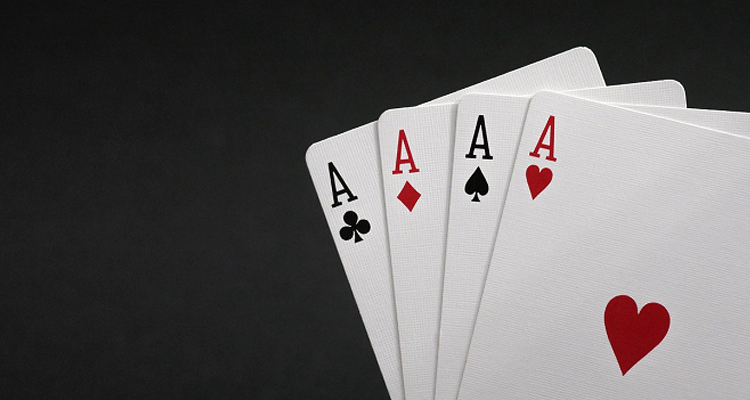
Updated October 2026. A poker deck has 52 cards: four suits (spades, hearts, diamonds and clubs) of thirteen cards each, from the 2 to the ace. Boxes usually include two jokers as well, but they ar...
Promotions