


Poker Games Across Cultures: Discover Unique Variants

Poker Games Across Cultures: Discover Unique Variants
Poker Games Across Cultures: A Look at Lesser-Known Variants
Poker is a game that has transcended borders, evolving and adapting to the cultural diversity of each region. From the casinos of Las Vegas to private gaming rooms in Asia, numerous poker variants have emerged, each influenced by local traditions and playing styles. This article delves into some lesser-known poker variations that showcase the cultural richness behind the game.
1. Teen Patti: Indian Poker
Gameplay: Each player receives three cards and places bets in rounds. The objective is to have the highest-ranking hand, which can include a trio (three of a kind), a straight, or a flush.
Trivia: Teen Patti is a staple during Hindu festivals like Diwali and is often played at family gatherings, making it a social activity as well as a game.
2. Badugi: A Korean Strategy Game
Gameplay: Each player receives four cards and has three chances to "draw" or exchange cards to improve their hand. The goal is a perfect "Badugi" hand with one card of each suit, all with low values.
Trivia: Badugi is popular across Asia, particularly in South Korea and China, and its unique betting and hand ranking structure make it strategically challenging.
3. Pusoy: The Filipino Poker Game
Gameplay: Each player receives 13 cards and must divide them into three hands. The strongest five-card hand is compared to the opponents' strong hands, and the same is done for the weaker hands. The player who wins the most comparisons wins the round.
Trivia: Pusoy is a social game often played in a relaxed environment, making it ideal for gatherings in the Philippines.
4. Chinese Poker: A Complex Strategy Game
Gameplay: Players organize their cards so that the strongest hand is the highest-ranking and the weakest is the lowest. Hands are compared, and points are awarded for each hand won.
Trivia: The game’s “Open Face” variation, in which players arrange cards in successive rounds, has gained popularity in the U.S. and Europe due to its complexity and appeal.
5. Omaha Hi-Lo: A North American Challenge
Gameplay: Players receive four cards and must use two in combination with three community cards to form their best hands. The pot is divided between the highest and lowest hands that qualify.
Trivia: The strategy for this game is complex, involving calculations for both high and low hands, adding a unique level of difficulty to Omaha Hi-Lo.
Poker as a Cultural Bridge
The variety of poker games around the world reflects how the game adapts to different cultures and traditions. Each variant, with its own rules and unique elements, offers insight into the values and preferences of players across regions. Learning these variants not only broadens our repertoire but also deepens our understanding of the cultural richness surrounding poker.
You may also like
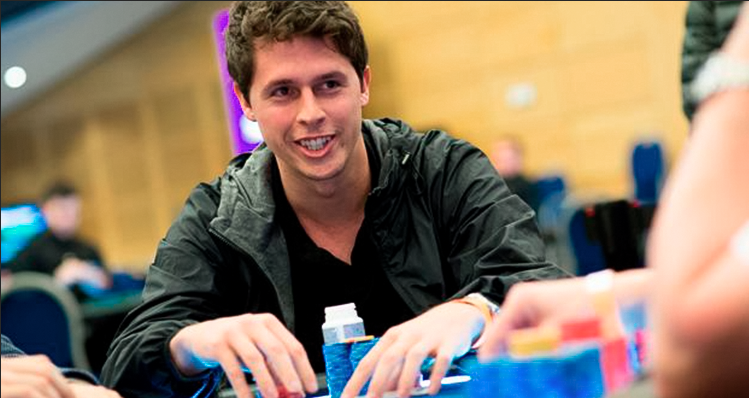
Bruno Volkmann sets a milestone in online poker, winning the GGMillion$
Bruno Volkmann wins GGMillion$ for third timeBrazilian poker star Bruno Volkmann continues to cement his legacy in online poker by claiming his third title at the prestigious GGMillion$ High Roller...
How to evaluate a poker hand?
Knowing how to calculate and evaluate a poker hand is more important than it seems. Not only can we know if we have been lucky with the cards we have been dealt, but we can also calculate the proba...
Fold in poker: what is the difference with check and what does it imply in a round?
Do you need to clarify poker concepts? If you have been playing this card game for a while, you will have discovered a lot of terms that may overwhelm you at first. Beyond making an all-in, bluffin...
Promotions