

Odds Literacy for Beginners
Odds Literacy for Beginners: Why ‘Better Odds’ Doesn't Mean Better Predictions
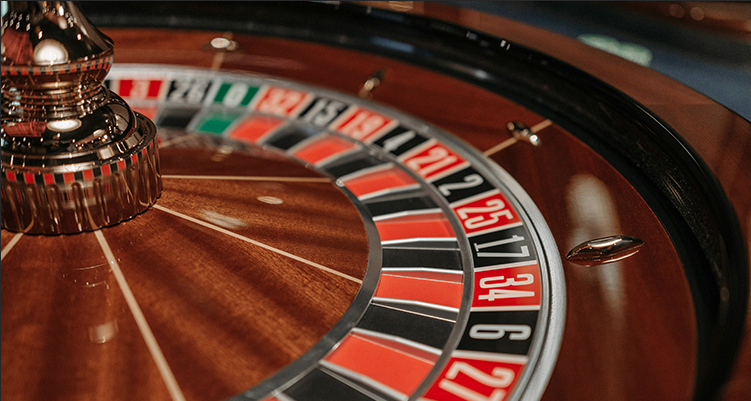
Roulette has always carried a certain allure. The spinning wheel, the bouncing ball, the sense that the outcome is both within sight and beyond control. For newcomers, it can all feel very mysterious, but it doesn’t have to. Understanding the odds and how they affect the game is the key to responsible play and clear decision-making.
What Are Odds?
Odds are numbers that tell you how likely a certain outcome is to appear when you play a game. For example, on a European roulette wheel, which has 37 pockets, the chance of hitting any single number is 1 in 37. On an American wheel, with 38 pockets, it’s 1 in 38.
For a European wheel, you’ll see this written as 1:36. You’ve bet on one number (the 1) and not bet on 36 other numbers (the 36). They all have an equal chance of coming up. For American roulette, it would be 1:37, because there are 37 numbers that you aren’t betting on.
That should give you the basics of how odds work - so now let’s look at the traps people sometimes fall into when trying to understand them in a real-life setting.
Are Some Numbers “Due”?
Some players try to predict the next outcome based on these odds. If the number 17 has a 1 in 37 chance of appearing and it has not done so in the last 36 spins, they may feel that it is “due” to appear, and they should start betting on it. However, this isn’t how odds work. Each spin is totally independent of the last, and the chance remains 1:36 every round. That’s true even if the number 17 hasn’t come up for a hundred spins or more.
A lot of confusion also arises from how history boards and “hot numbers” are presented. These boards recap previous spins, but they don’t predict future ones. It’s easy to see five blacks in a row and think red must be next, yet the roulette odds of the next spin remain exactly the same. The roulette ball has no memory.
You will have a lot more fun with this game if you bear this in mind and treat every spin as its own independent adventure! For clarity, always use roulette odds as your odds reference, and treat history boards as recaps—not forecasts. Understanding that distinction makes the games more enjoyable and puts you in a better position.
If you want to compare the two versions more closely, this breakdown of American vs European roulette explains how the layouts shift the odds. The key takeaway is that no matter which version you choose, it’s essential to look at the odds and compare betting options.
Practical Odds Literacy for New Players
Odds literacy is about learning to see the numbers for what they are. Here’s a simple table showing how different bets translate into probabilities.
Bet Type | Chance on European Wheel | Chance on American Wheel |
Single number | 2.7% | 2.6% |
Red/Black | 48.6% | 47.4% |
Even/Odd | 48.6% | 47.4% |
Dozen (12 numbers) | 32.4% | 31.6% |
Building a Responsible Perspective
Being clear about what odds can and cannot do helps you maintain perspective. They don’t promise wins, and they don’t “owe” you anything after a streak. What they do provide is a structured way to understand chances. With that understanding, you can enjoy the game without chasing myths. Responsible play starts with this clarity. It’s not about avoiding risk altogether—it’s about recognizing what risk actually means.
Roulette Odds As Reference Points
Some people choose to approach the roulette table randomly, selecting a number that “feels good” or that has special meaning to them. That’s a totally valid way to play the game - after all, we’re here to have fun. If you want to bet on a lucky 17 or always pick red over black, that’s totally fine.
However, if you want to increase your chances of winning at the roulette wheel, it’s important to pay attention to the odds and choose bets that increase your chances. Single numbers rarely hit. Outside bets (red or black, odds or evens) will give you a much better shot of taking home a win.
Use roulette odds as your reference point, treat hot and cold numbers as colorful recaps, and understand that every spin is independent. With this foundation, you’ll see roulette less as a puzzle to solve and more as an experience to enjoy.
Understanding roulette odds also connects to player psychology. Insights from Bartle’s player types show how motivations shape gameplay, reminding us that engagement often depends as much on mindset as on math. A “socializer” might be more inclined toward single-number bets so that if they get lucky, they can celebrate a big win with the folks around them and bump up the social element. On the other hand, an achiever who likes to win may pick outside bets to maximize their odds.
You may also like

Profitable Casino Games: Choose the Best One for Your Experience
Profitable Casino Games: Choose the Best One for Your ExperienceNot all casino games are created equal—some are purely chance-based, while others offer room for skill and strategy. Selecting the ri...

Discover Big Winners at Casinos
Discover Big Winners at CasinosBig casino winner stories always capture our attention. Tales of individuals who manage to win astronomical sums with a single spin of the roulette wheel or a perfect...

Roulette – How to Improve Your Odds & Play Smarter
Roulette – How to Improve Your Odds & Play SmarterRoulette is one of the most iconic and exciting casino games, combining luck with the possibility of big payouts. While outcomes are mostly random,...